


|
Obama delivers some good news for the Arctic Still a lot of work to be done On March 31 President Barack Obama announced the administration's new Five-Year Leasing Program for offshore oil leases. The Arctic portion of that plan is a step in the right direction for our critical Arctic waters. In the Arctic the plan emphasizes the use of science to find solutions that provide energy while protecting the Arctic marine environment and opportunities for the subsistence way of life. Significantly, the President also withdrew Bristol Bay from the list of potential lease areas, recognizing the importance of one of the world's most productive fisheries. The President's approach to the Arctic is a major departure from the Bush administration's lease-at-all-costs approach that led to endless controversy and litigation. The withdrawal of Bristol Bay in Southwest Alaska from the list of potential lease areas is a major victory for fishermen, the people of Alaska and for anyone concerned about protecting the country's important environmental areas. Bristol Bay is home to the world's largest sockeye salmon fishery and also supports major runs of King, Silver and Chum salmon. "Bristol Bay and the Aleutian Islands are a national treasure," Levine said. "Withdrawing this area is a good first step, but we should go even further, and we should designate this area as a national fisheries preserve to protect wildlife and our nation's fish basket." Not all the news is good. The new plan, leaves in place Lease Sale 193 in the Chukchi Sea. The decision to hold that lease sale, despite widely acknowledged gaps in science, remains subject to a pending challenge in federal district court. In addition, Shell's plans to conduct exploration drilling in 2010 on that lease, and leases purchased in the Beaufort Sea are subject to challenge in the Ninth Circuit Court of Appeals. There is still a lot of work to do. Click below to see how you can help. Take ActionVictory! United States Protects America's Arctic from Industrial Fishing Nearly 200,000 square miles of U.S. Arctic waters will close to industrial fishing to protect Arctic ecosystems in the face of climate change. Read more about this historic action to protect the Arctic Oceana Joins with Northern and Southern Leaders to Petition for Arctic Protections in the Face of Climate Change On Tuesday, November 25th Oceana and other partners, including San Francisco Mayor Gavin Newsom and the Native Village of Shishmaref, Alaska, petitioned the federal government to protect the health and welfare of the Arctic and, ultimately, the world by establishing comprehensive regulations for greenhouse gas emissions under the Clean Air Act. The petition brings forth extensive scientific information on climate change impacts already happening in the Arctic and how those impacts will affect the rest of the planet, and requests the Environmental Protection Agency take immediate actions to curb greenhouse gas emissions. Download the full petition (3 MB pdf, 86 pages) Protecting the Arctic from Industrial Fishing Oceana has been hard at work for more than two years to protect the U.S. Arctic from the expansion of industrial fishing. This hard work is now paying off, as fishery managers move ever-closer to protecting the Arctic from the expansion of industrial fishing, which would be a historic event not only for the Arctic, but for fisheries management as well. Our OpEd in the Seattle Times The Arctic is telling us an important story - perhaps the most important story - about our lives and the world, which we discussed in our recent OpEd, As Goes the Arctic, So May Well Go the Planet that appeared in the Seattle Times. Scientific American on the Arctic Check out the recent stories in Scientific American on preserving Arctic fisheries and the recent Supreme Court decision on the Exxon Valdez, and how that decision affects the Arctic. Big News! U.S. sets policy to protect the Arctic from industrial fishing
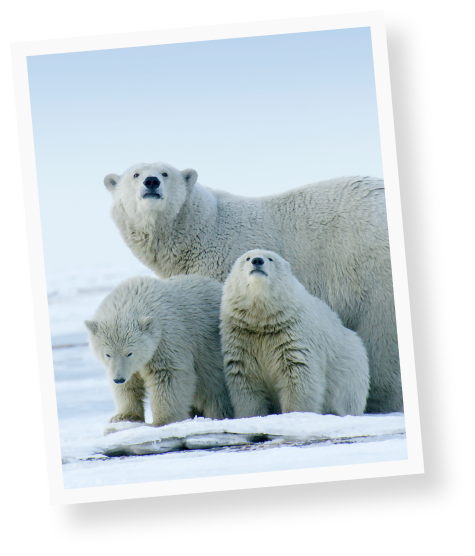
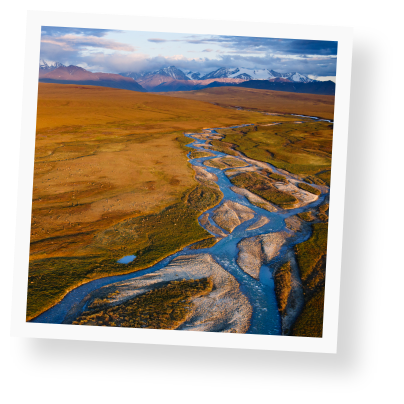
About the Arctic Ocean The Arctic is one of the most beautiful and forbidding places on Earth, where temperatures regularly plunge well below zero and the time between sunset and sunrise is sometimes measured in months rather than hours. Yet despite these difficult conditions a variety of people and animals have adapted to thrive at the top of the world, including vibrant communities and iconic animal species. The Arctic Ocean is facing incredible pressures. As goes the Arctic, so goes the planet. There is no single Arctic treaty, so it's up to our global community to save this vital part of our planet. Please join us today in this inspiring and important work. Thank you. |
Get started hereAct to save the Arctic!Scientists and organizations all over the world are working to curb global temperature increase. We can all help by making simple changes in our lives. Online education can help us all! Earn the Online College Degree easy! Online education programs are evolving, and the types of programs offered are vast in terms of quality, cost, and effectiveness. online degree program |