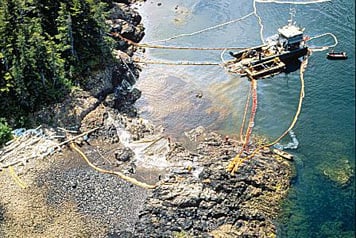
On March 24, 1989 the Exxon Valdez oil tanker grounded on Bligh Reef and over 11 million gallons of crude oil spilled into the pristine waters of Alaska’s Prince William Sound and beyond. Seattle photojournalist Natalie Fobes on assignment for National Geographic arrived one day after the spill, and spent much of the next three months documenting the impact of the disaster. Her iconic photograph of an oil-drenched bird– alive at the time, but dead within 30 minutes– was published on the magazine’s cover. She returned five and ten years later to document the conditions. Attorneys credited her images and testimony in state and federal courts with helping jurors understand the scope and impact of the oil spill. Evidence of oil is still found buried along the intertidal areas, remaining as toxic as it was in 1989. The spill covered 3,000 square miles of ocean and life along 1,300 miles of Alaska coastline never returned to the way it was.
This month marks the 37th anniversary of the catastrophic oil spill that killed myriad wildlife including hundreds of thousands of seabirds, orcas, otters, herring, and so much more. The spill collapsed local fisheries and regional tourism. In 1990, Seattle Times journalists covering the spill received a Pulitzer Prize for National Reporting for their comprehensive investigative reporting. It was clear this disaster was a systemic failure in oil-tanker safety coupled with the industry’s lack of preparedness, one that watchdogs had long warned could happen. The disaster proved there are no guarantees against future failures, and that “safe drilling” is an empty promise.
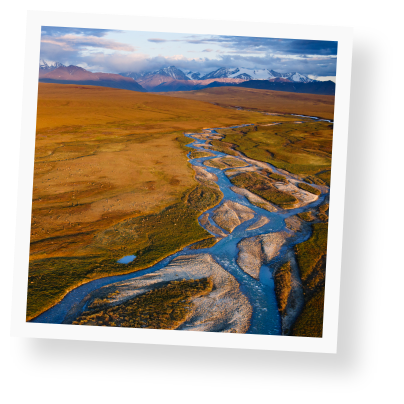
Reporting by regional and national media and images of dying wildlife sparked public outrage. In 1989, when news of the spill and resulting media scrutiny made its way to Congress, a bill to open the 1.5-million-acre coastal plain of the Arctic National Wildlife Refuge to oil and gas exploration was pulled from the Senate floor over concern that a potential spill could occur in one of our most iconic public lands. The risk to life took precedence over short-term profits, including the lives of caribou, polar bears, wolves, grizzlies, musk oxen, and over 200 bird species– many who migrate from six continents– and the birthing place of the Porcupine Caribou herd the Gwich’in People call “the sacred place where life begins.”
Another oil-related environmental disaster in 2010 occurred when the Deepwater Horizon drilling rig exploded, killing eleven workers and releasing 134 million gallons of oil off the coast of Louisiana, dwarfing the Exxon Valdez spill. While both disasters and the following scrutiny and lawsuits resulted in greater legal protections and regulatory restructuring after the fact– it also shattered the oil industry's “trust us” assurances.
Recently, on January 23, 2026– “The Beast”-- North America’s largest land-based oil rig tipped over while being transported. The 10-million-pound machine was on the way to the Willow Project in the Western Arctic. Now it is headed for the scrapyard, an $800 million loss. It was an echo back to 1989 and 2010, and another example of the unpredictability of conditions in the Arctic, including increased risks from thawing permafrost rendering the ground unstable for travel and infrastructure.
Lease sales and seismic testing are expected in the Arctic Refuge this year. Although protected from development through every subsequent Congressional effort since 1990, the 2017 Tax Act opened the Arctic Refuge to lease sales. Sales were projected to provide $1.8 billion in revenue to offset tax breaks. The 2021 lease sales generated $12 million– less than 1% of the amount promised to federal taxpayers. A second lease sale in January 2025 yielded zero bids. A third lease sale will occur sometime in 2026. May today's oil CEO’s recognize they don’t want to be remembered like Exxon and choose instead to stake their claims elsewhere. We can obtain the oil we need without sacrificing these one-of-a-kind lands.
Whether you look at drilling in America's Arctic from a financial perspective, or concern over potential devastation from spills like the Exxon Valdez, or because you care about how we leave this life and land for future generations-- drilling in America’s Arctic is a reckless gamble we don’t need to take.
Helen Cherullo, Braided River | Originally published in the Seattle Times, March 21, 2026